
Description
35mm film photography is the look of the dominant consumer and editorial photographic format of the second half of the twentieth century. It is defined by three physical realities: silver halide grain (random, not regular like digital noise), the highlight rolloff of negative film (highlights compress, they don't clip to white), and lens characteristics from vintage glass designed for film camera bodies — classic rangefinder and SLR optics with softer coatings and gentler contrast than modern lenses. Visually that produces soft highlight transitions, grain that is more visible in shadows than in skin, slightly warm or slightly cool color casts that come from the specific film emulsion (some stocks skew warm-pink, others are heavily saturated, and tungsten-balanced stocks produce halation — a soft red-orange glow — around bright lights), and a depth-of-field falloff that is less surgical than modern digital. Use it whenever you want an image to read as a photograph rather than as a render — portraits, street, editorial fashion, documentary, lifestyle. Generative models default to either a heavy-handed digital filter or oversharpened digital. Specify the film's color character (warm portrait emulsion, saturated landscape emulsion, tungsten-balanced with halation) and the camera era (1980s rangefinder, 1990s point-and-shoot) to get something that actually looks like film.
Working prompts
Three prompts we've tested against current FairStack models. Copy and run.
-
portrait shot on warm-toned 35mm color negative film, natural window light, slight grain, soft highlight rolloff, warm skin tones, shallow depth of field on 50mm lens
-
street photograph, Tokyo at night, shot on tungsten-balanced 35mm film, halation around neon signs, tungsten color cast, visible grain in shadows, hand-held
-
documentary kitchen scene, family dinner, shot on soft pastel-toned 35mm color film, natural light from window, film grain
Recommended models
Models from FairStack's catalog that handle this style best. Sorted by price.
Related styles
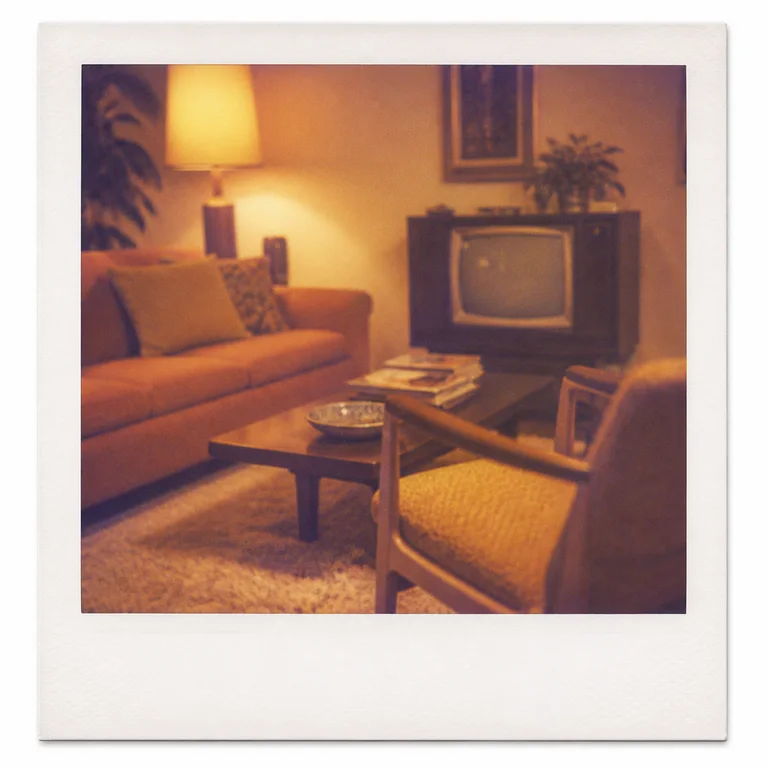
Instant Film
Instant film photography shares three properties no digital filter has fully reproduced: a chemical color cast that drifts toward magenta…
Open style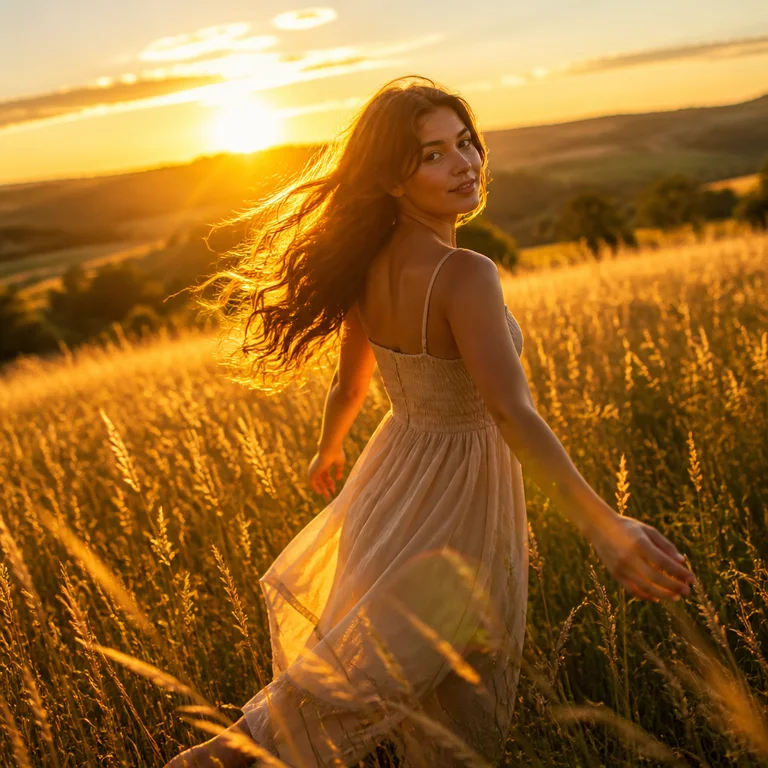
Golden Hour Naturalism
Golden hour is the roughly 60 minutes after sunrise and before sunset when the sun is low enough that its light passes through more atmos…
Open style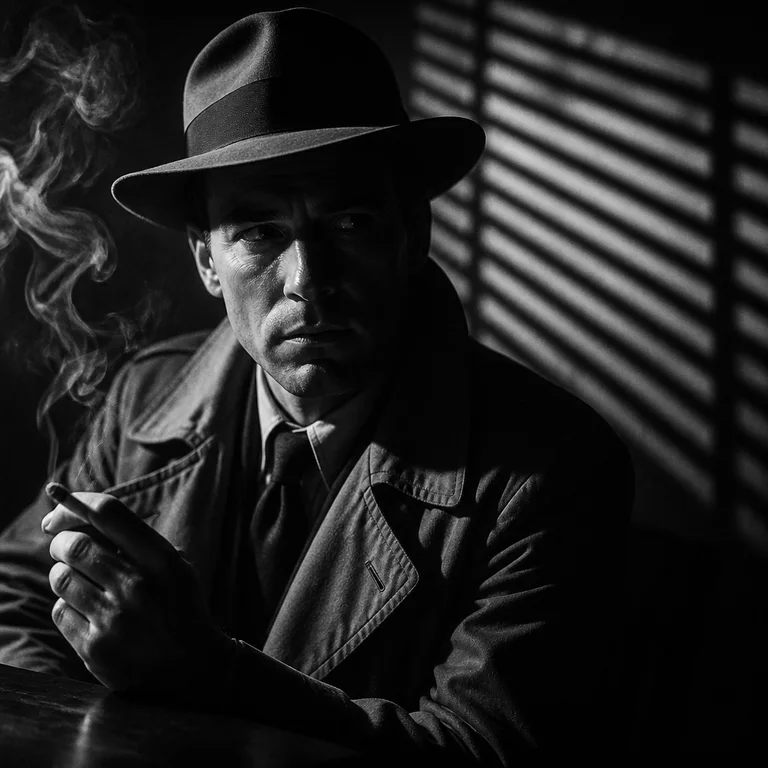
Film Noir
Film noir is not just "black and white." It is a specific photographic grammar built in 1940s Hollywood out of three constraints — German…
Open style