Category · Photography
Photography
Photography is the category most creators reach for first — partly because it's the one most models handle confidently, partly because "make it look like a photo" is the most common request a creator ever phrases. We've split the category by the look of the work, not by gear: painterly mid-century street color is not a generic 35mm Film entry, even though both are shot on 35mm film. Movements, documentary traditions, and chemical processes get their own pages. Filters and apps don't. The styles below are the ones we could write 200 honest words about without flinching.
Tags in this category
Styles in this category
24 styles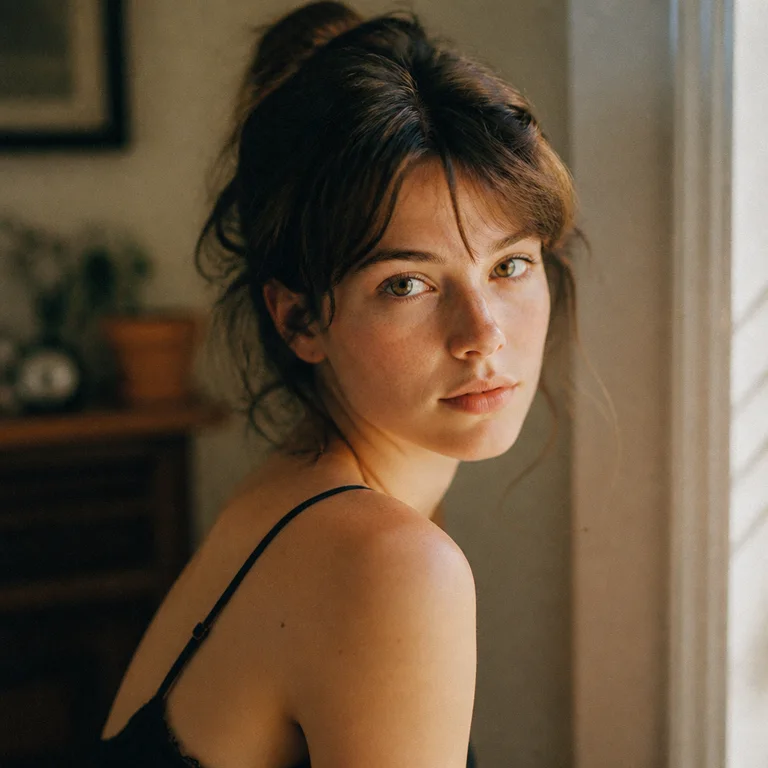
35mm Film Photography
35mm film photography is the look of the dominant consumer and editorial photographic format of the second half of the twentieth century.…
Open style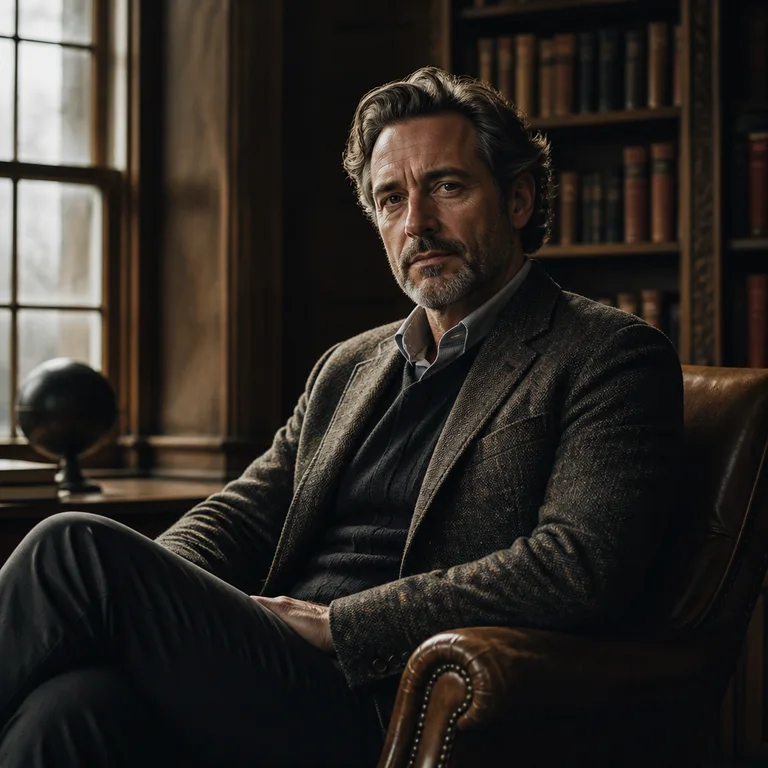
Painterly Editorial Portrait
This look defined what a contemporary celebrity portrait looks like, sitting between editorial photojournalism and produced narrative tab…
Open style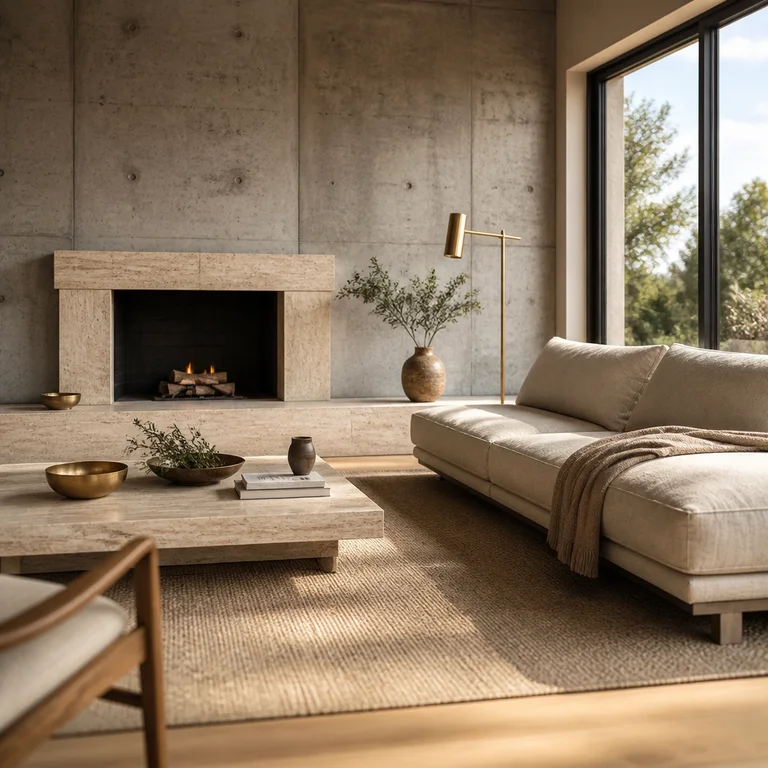
ArchViz / Architectural Visualization
ArchViz (architectural visualization) is the industry-standard 3D rendering style used by architecture firms, real-estate developers, and…
Open style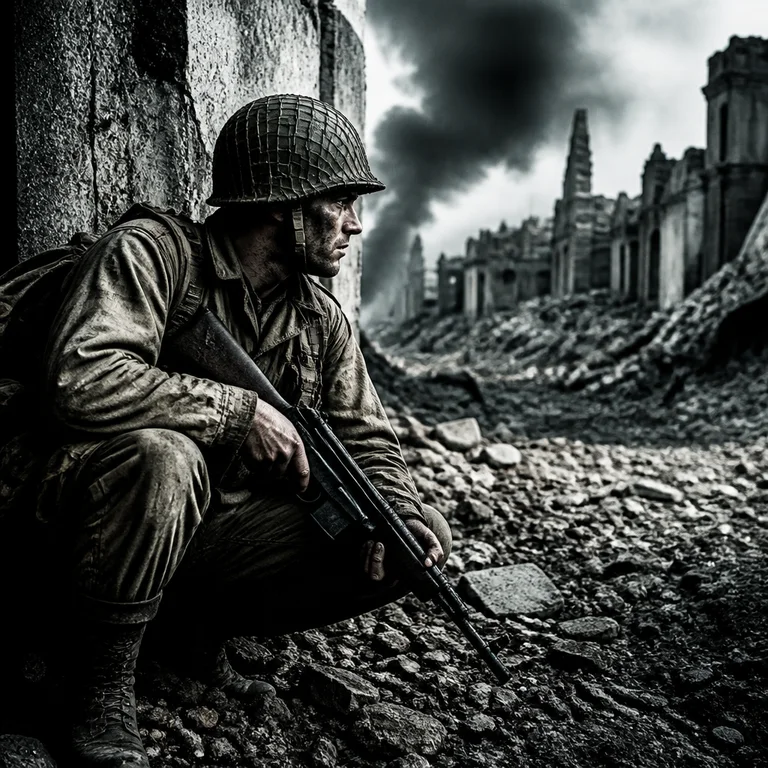
Bleach Bypass
Bleach bypass (also called skip-bleach) is a film-chemistry technique where the bleaching step of color development is skipped or partial…
Open style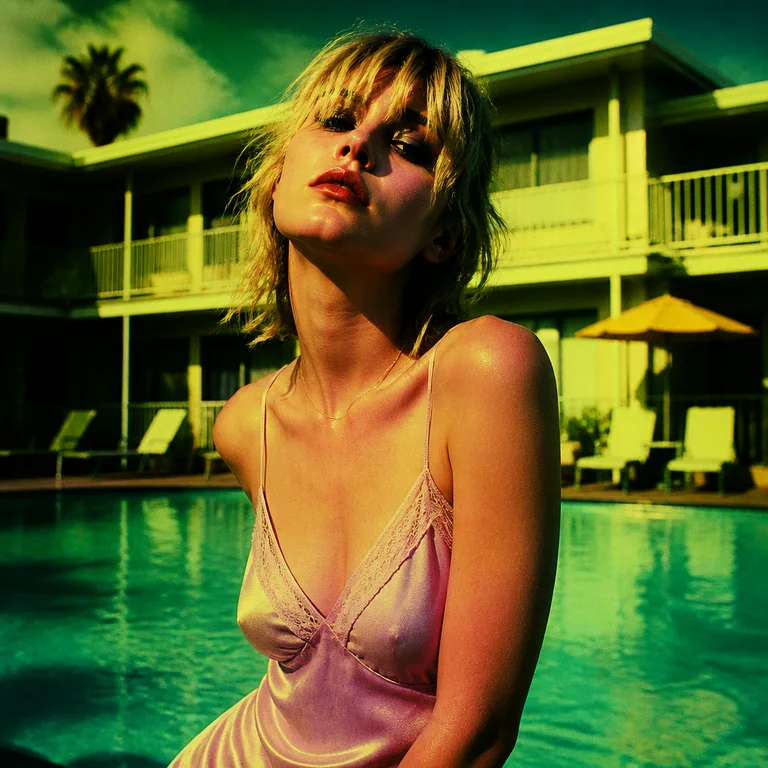
Cross-Processed
Cross-processing is the deliberate misuse of film chemistry: developing color slide film (E-6 process) in negative-film chemistry (C-41)…
Open style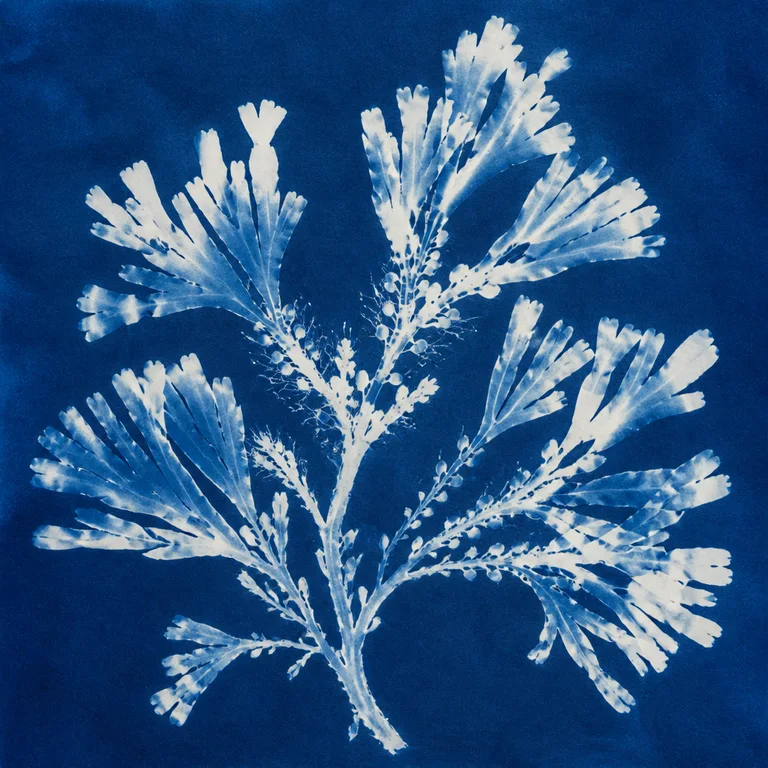
Cyanotype Photogram
A cyanotype is a 19th-century photographic printing process — paper coated with ferric ammonium citrate and potassium ferricyanide, expos…
Open style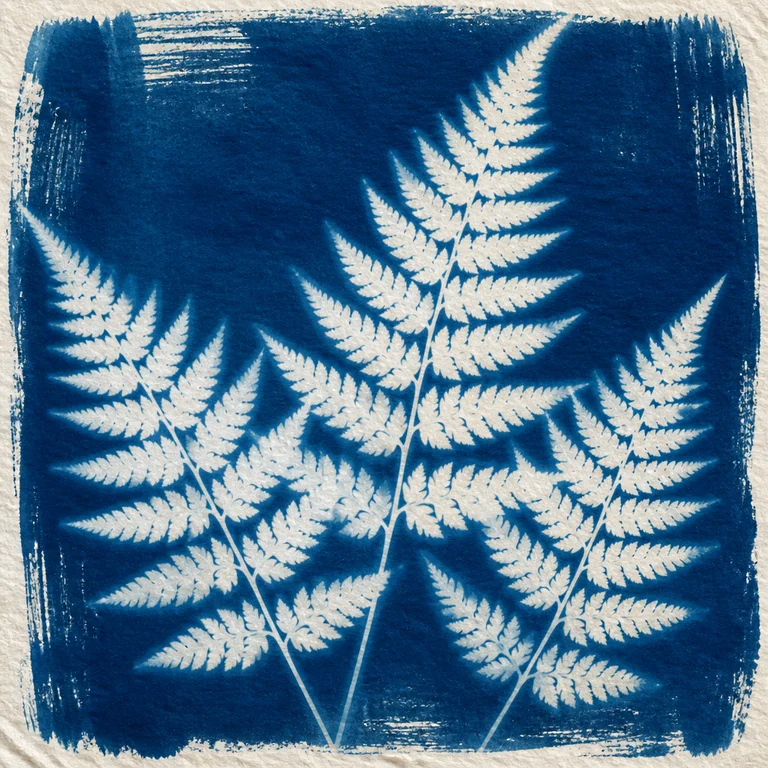
Cyanotype
The cyanotype process was invented in 1842 and was used almost immediately to produce one of the first photographically illustrated books…
Open style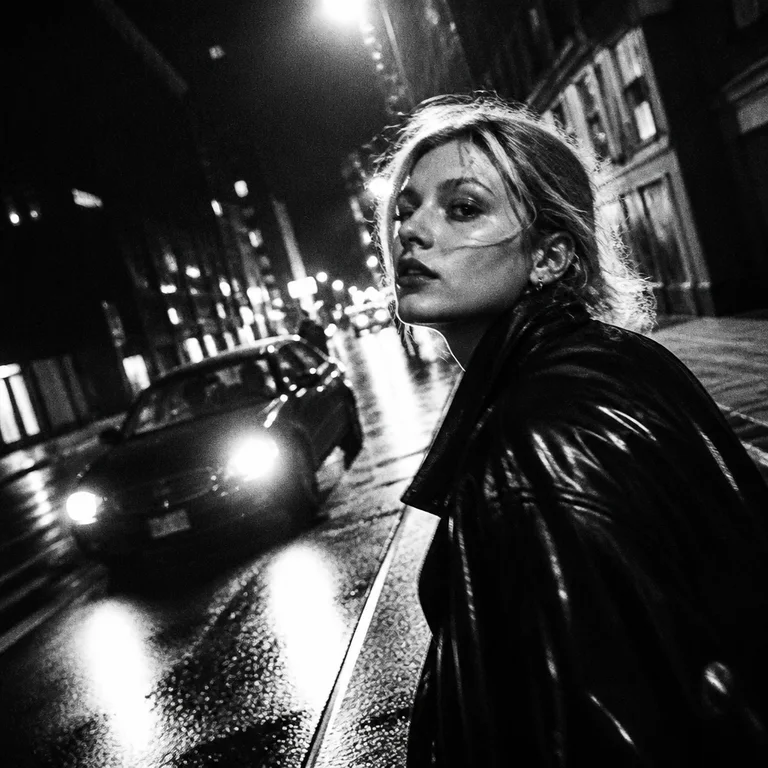
Gritty High-Contrast B&W
Postwar Tokyo produced some of the most influential street photography to come out of Japan, built on a visual signature that is extreme:…
Open style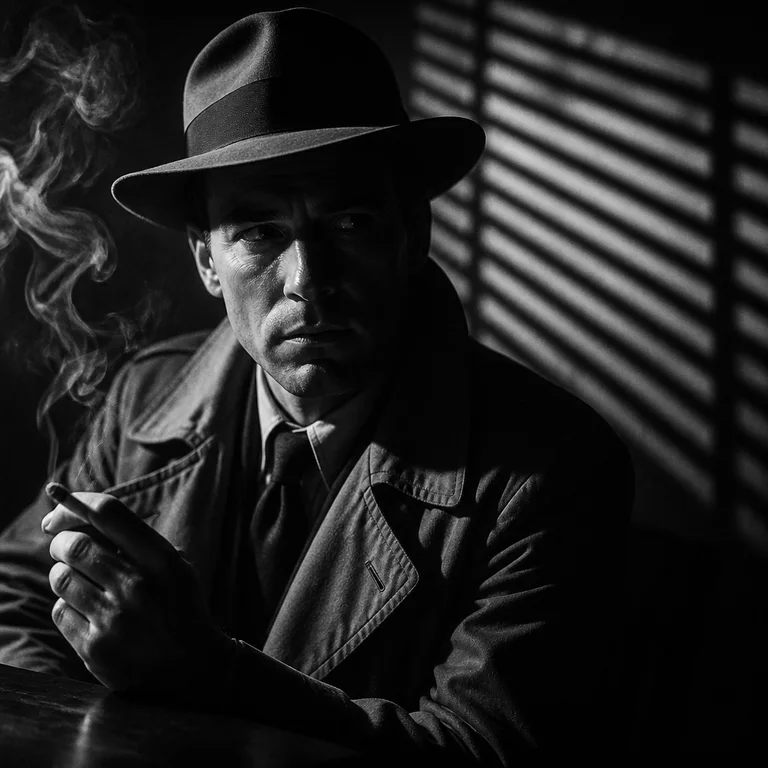
Film Noir
Film noir is not just "black and white." It is a specific photographic grammar built in 1940s Hollywood out of three constraints — German…
Open style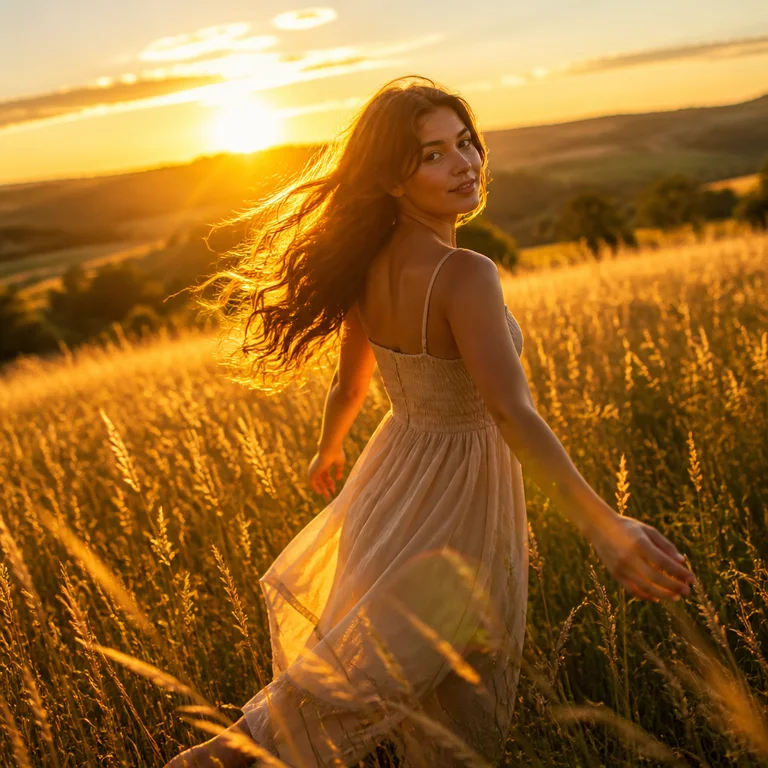
Golden Hour Naturalism
Golden hour is the roughly 60 minutes after sunrise and before sunset when the sun is low enough that its light passes through more atmos…
Open style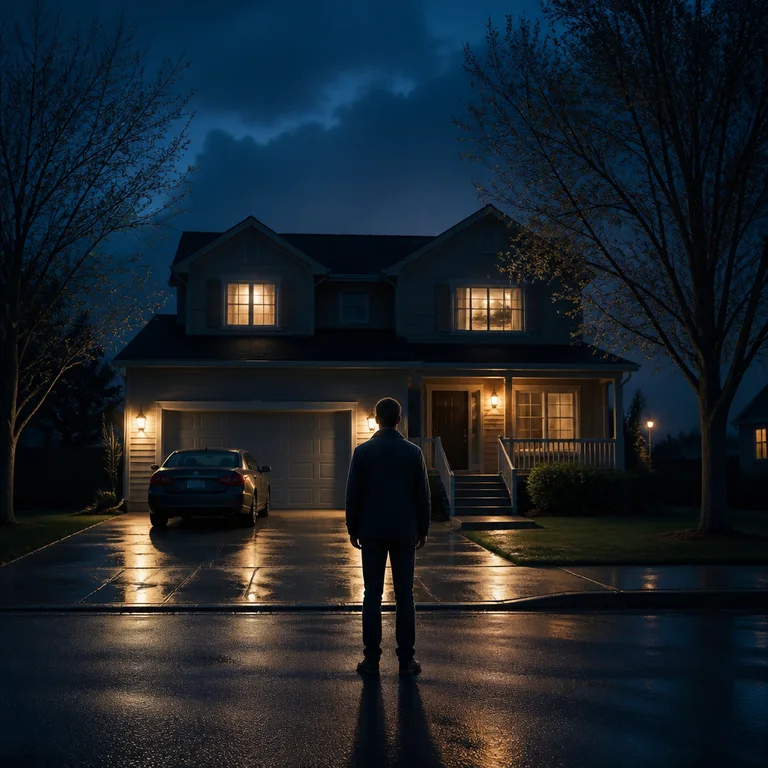
Staged Cinematic Still
This genre of photography produces images that look like single frames from films that don't exist. Each image is shot on a soundstage or…
Open style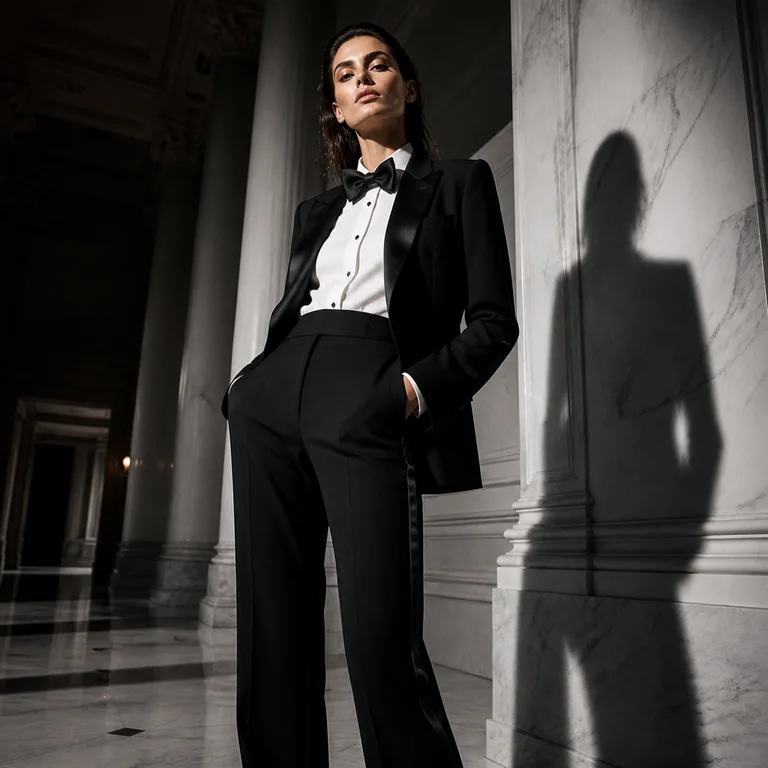
Provocative B&W Fashion
A body of fashion photography shot between the early 1960s and early 2000s with a vocabulary borrowed from film noir, Surrealism, and Wei…
Open style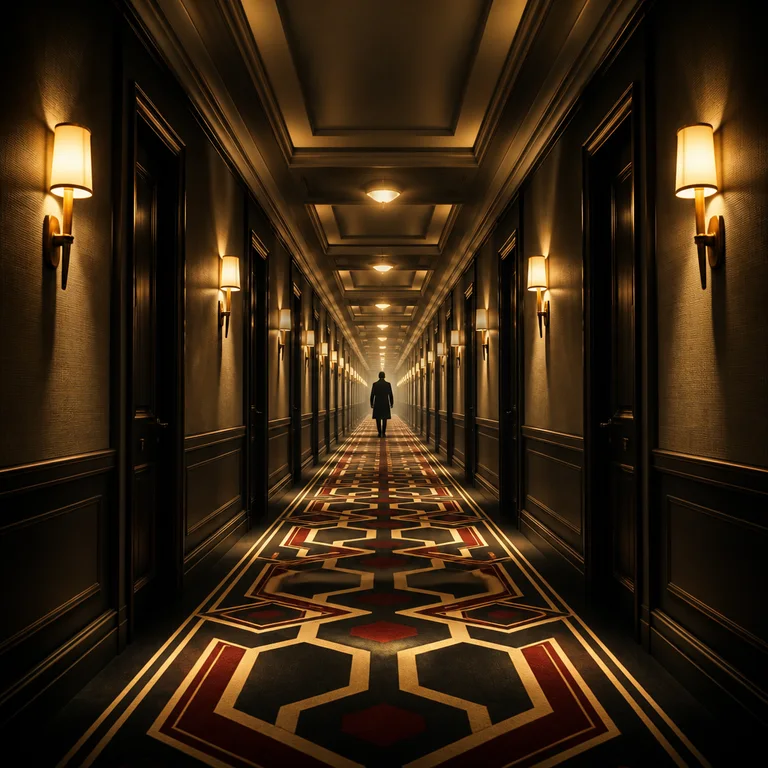
Symmetric One-Point Wide
This visual signature is among the most analyzed in cinema history and the most replicable in still imagery. The shorthand is "one-point…
Open style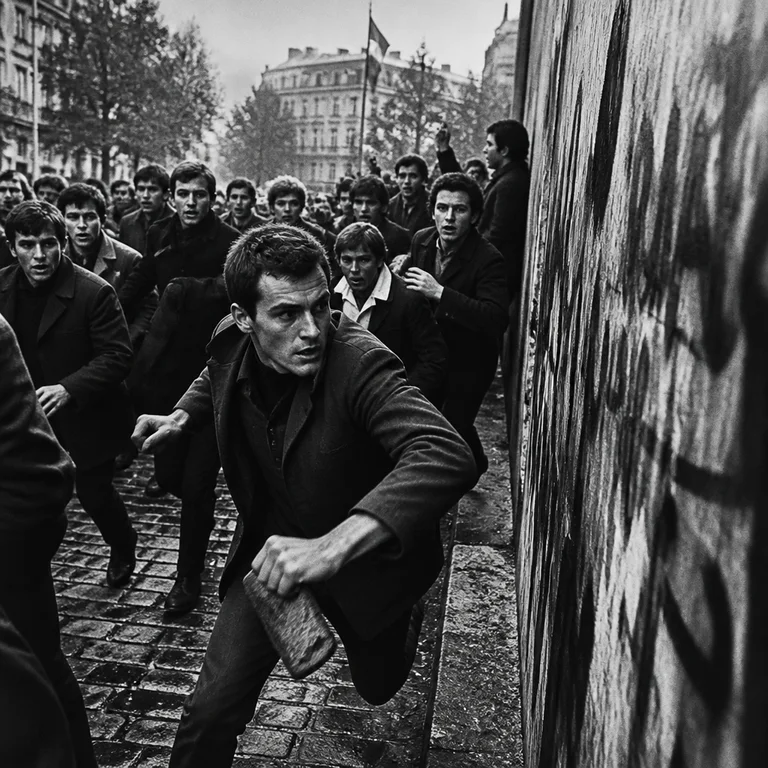
Documentary Photojournalism
A photographer-owned documentary tradition founded in 1947 as a cooperative — the first of its kind where photographers controlled their…
Open style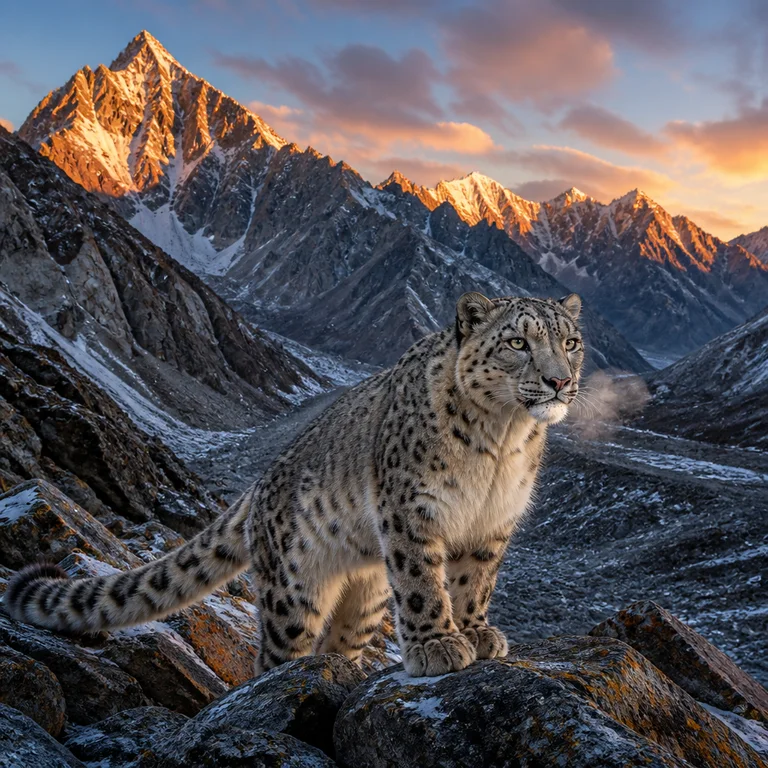
Nature Editorial Photography
Nature and expedition editorial photography's defining visual identity formed over the second half of the 20th century, in a lineage of a…
Open style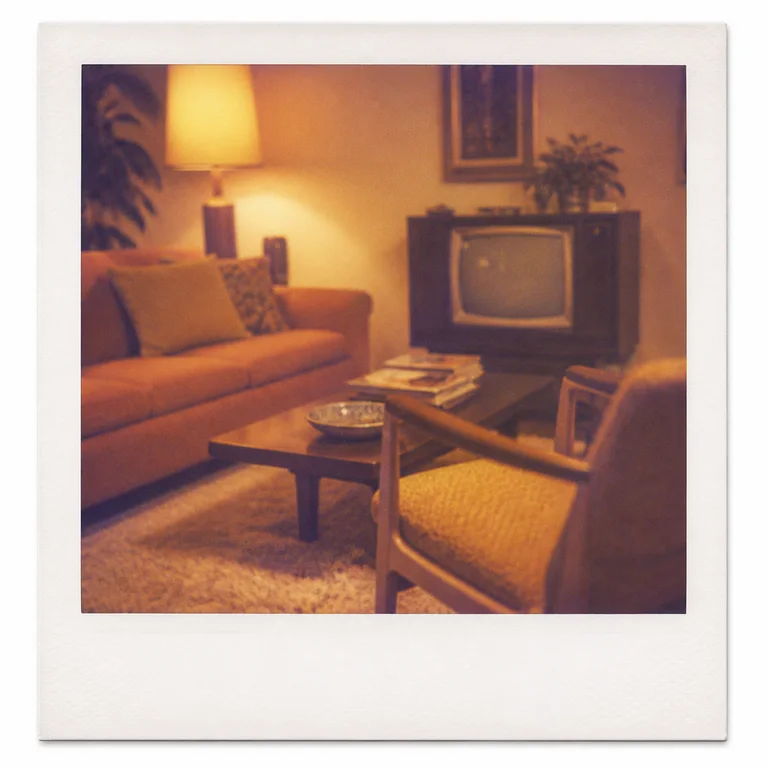
Instant Film
Instant film photography shares three properties no digital filter has fully reproduced: a chemical color cast that drifts toward magenta…
Open style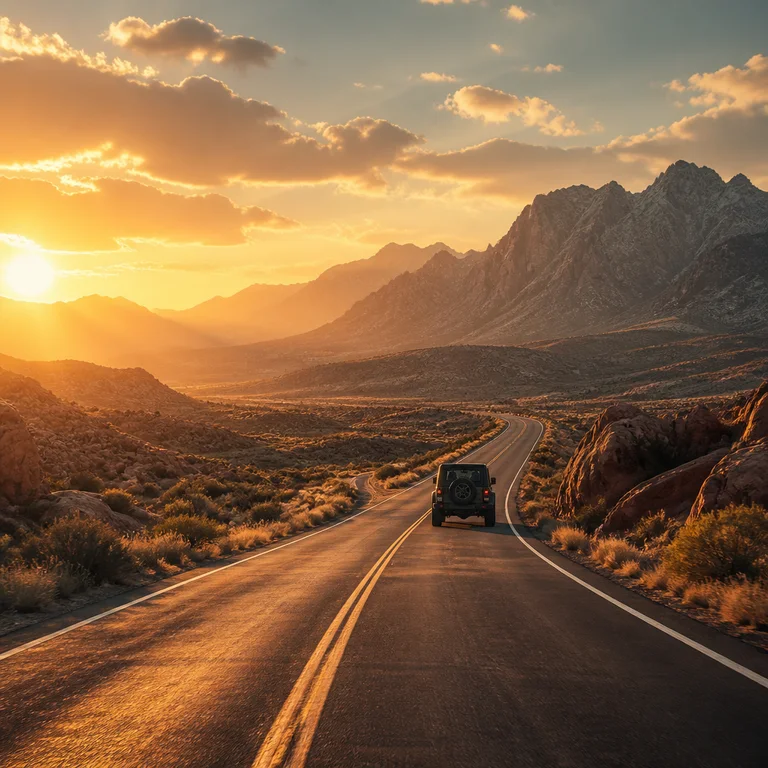
Cinematic Naturalism
A naturalist but extraordinarily controlled cinematographic visual language, developed by some of the most decorated cinematographers in…
Open style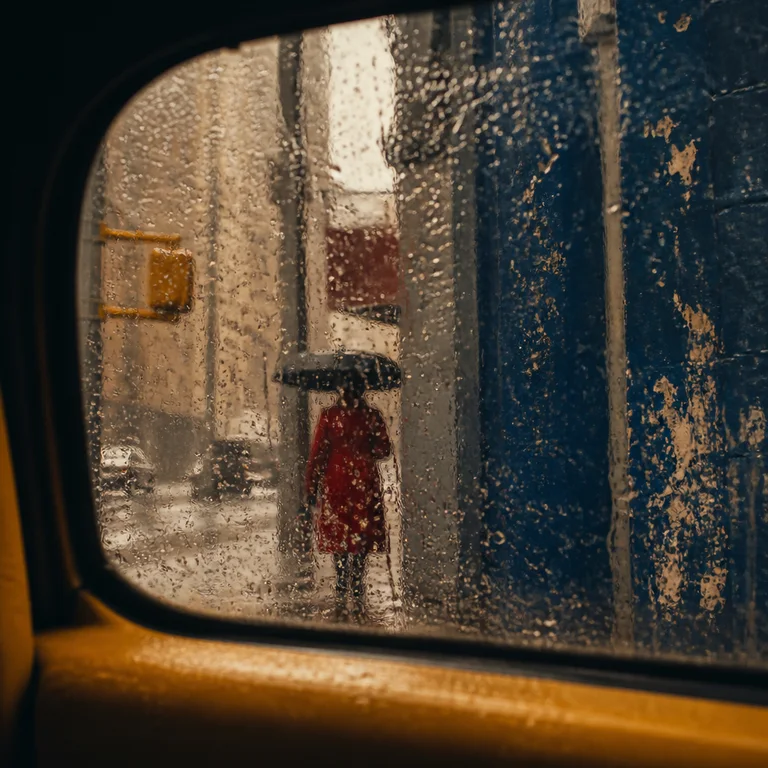
Painterly Street Color
This painterly color street photography approach captured American cities in color from the late 1940s through the 1970s, at a time when…
Open style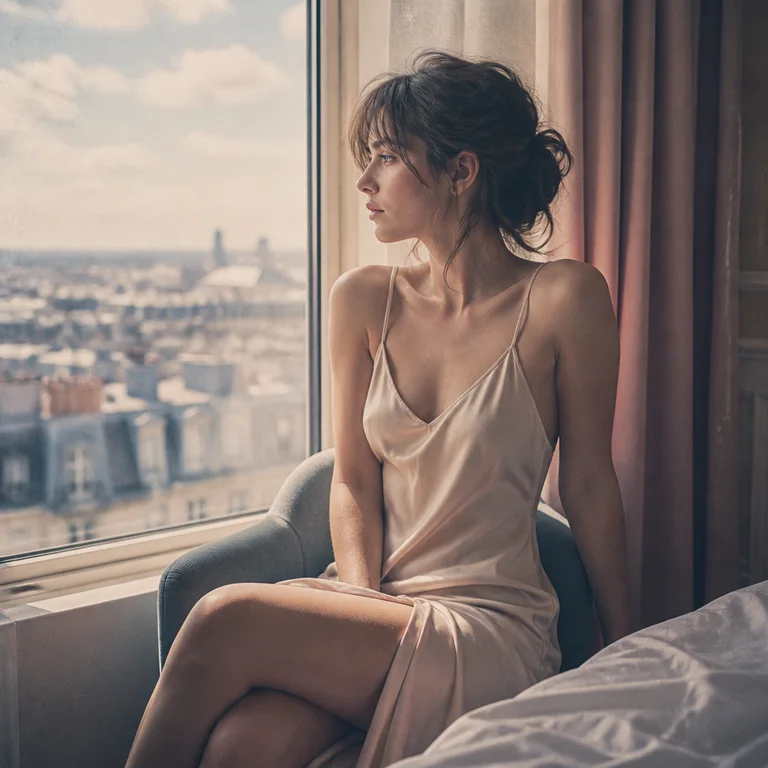
Soft Pastel Cinema
This soft pastel cinematic style is one of the most internally consistent visual signatures in contemporary auteur film, carried across a…
Open style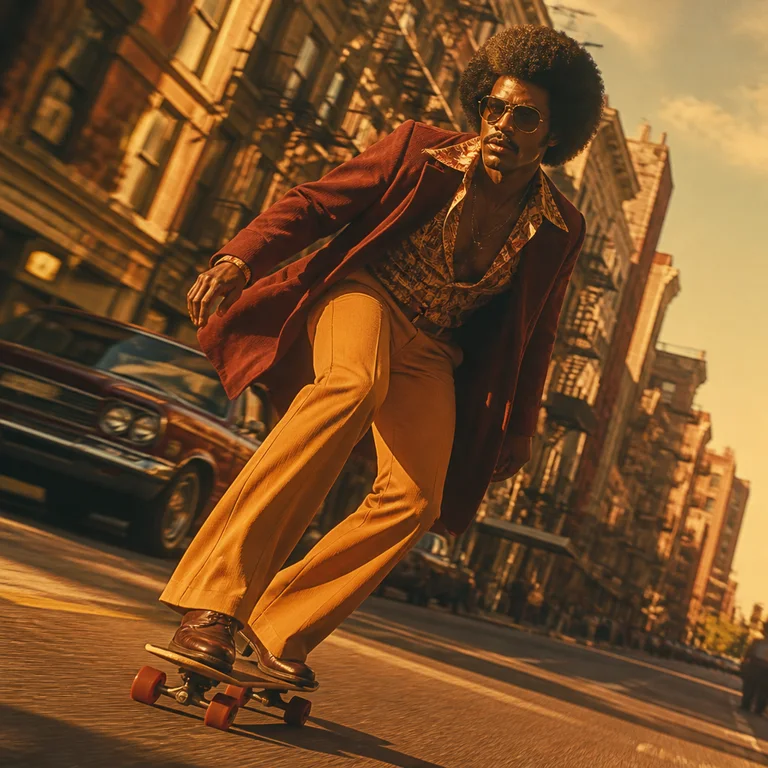
Floating Double Dolly
This visual signature includes one of the most distinctive single shots in modern American cinema: the "double dolly," in which the camer…
Open style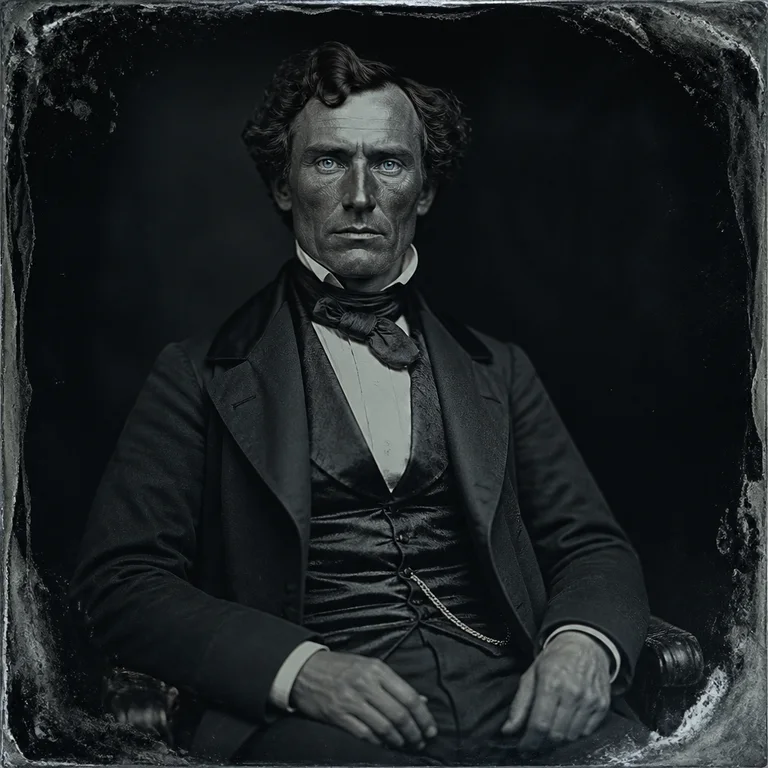
Tintype / Wet Plate
The wet-plate collodion process was invented in 1851 and was the dominant photographic process from roughly 1855 to 1880, before gelatin…
Open style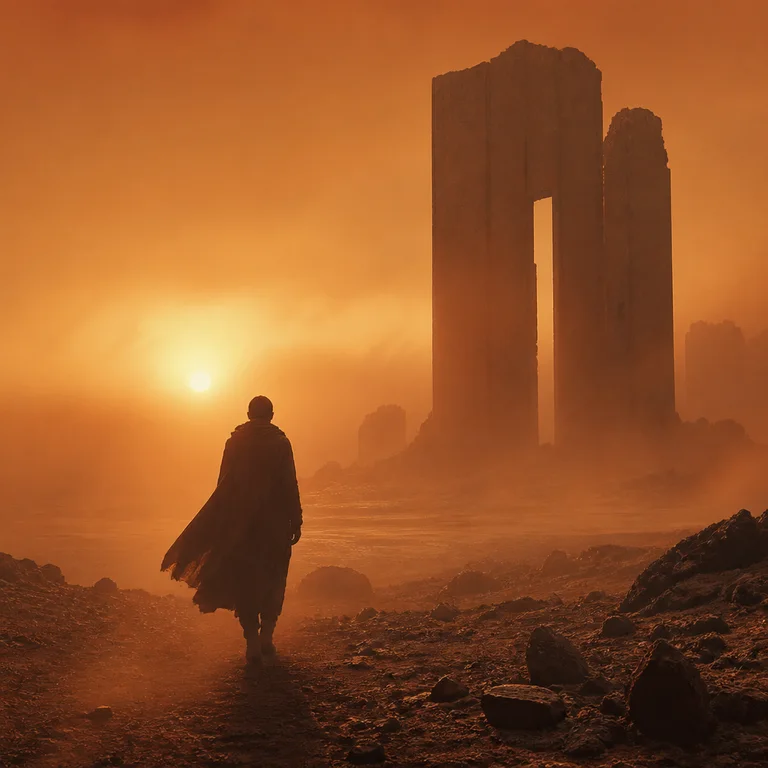
Monolithic Sci-Fi
A run of contemporary science fiction films has established a coherent visual language for modern sci-fi that everyone else now reference…
Open style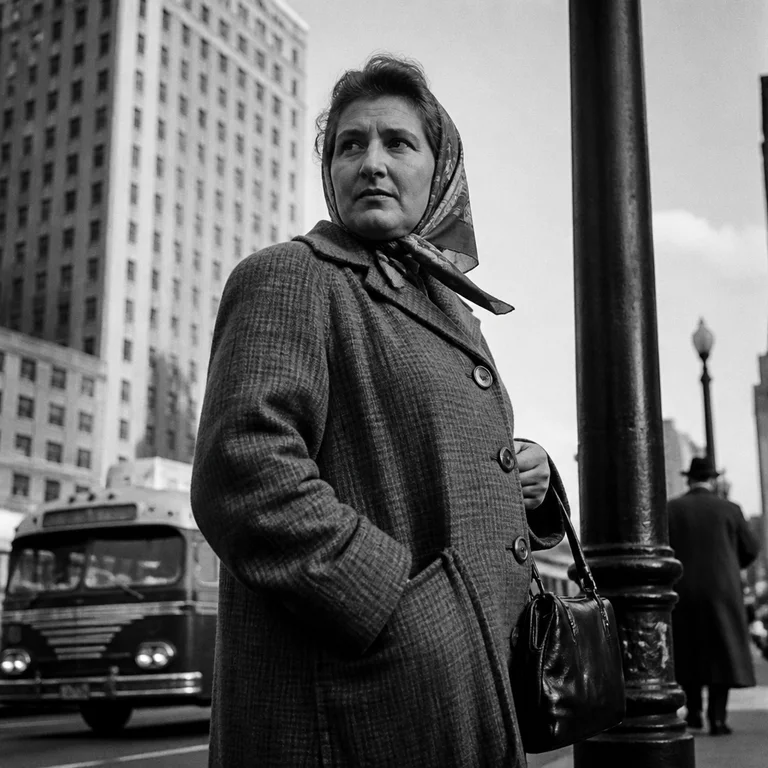
Mid-Century Street Photography
An amateur street photographer worked as a nanny in Chicago and New York from the 1950s through the 1990s and shot roughly 150,000 photog…
Open style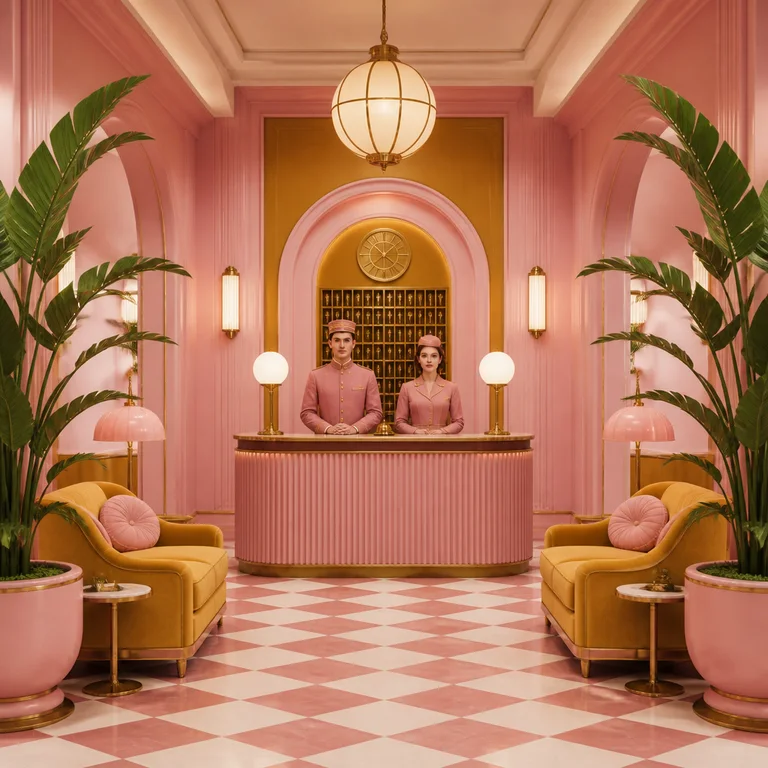
Pastel Symmetric Storybook
This visual language is one of the most imitated in contemporary cinema for a reason: it is rule-based and easy to identify. The rules ar…
Open style