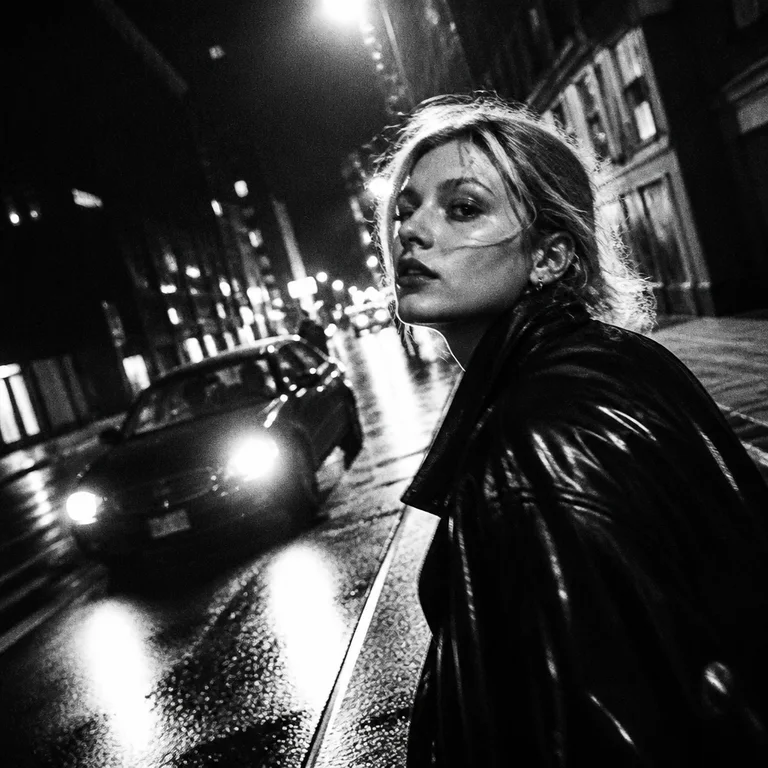
Description
Postwar Tokyo produced some of the most influential street photography to come out of Japan, built on a visual signature that is extreme: pushed black-and-white film with the contrast curve crushed at both ends, grain so coarse it becomes pattern, motion blur from shooting handheld at slow shutter speeds, and the deliberate inclusion of "mistakes" — tilted frames, blown highlights, half-cut subjects, scratched negatives. The grammar comes from Japanese are-bure-boke photography of the late 1960s: are (rough), bure (blurred), boke (out of focus). The point is not technical excellence; it is immediacy and a refusal of the polished image. Use it for raw street imagery, music photography, gritty editorial, punk-adjacent fashion, urban portraits where the city dominates the subject, and noir-leaning documentary. It is the wrong choice for product, beauty, anything corporate, or anything that should look composed. Don't ask for "high contrast black and white" — that gives you fashion editorial. Ask for "are-bure-boke, grain visible, pushed Tri-X, motion blur from slow shutter handheld, Tokyo alley at night" to get the specific gritty, immediate feel.
Working prompts
Three prompts we've tested against current FairStack models. Copy and run.
-
Tokyo alley at night, 1970s, high-contrast pushed black and white, coarse film grain, motion blur from handheld slow shutter, neon sign half-blown-out, tilted frame, are-bure-boke style
-
stray dog on wet pavement, low angle, extreme contrast, deep black shadows, blown highlights on dog's fur, grain visible across entire frame
-
crowded Shibuya crossing, blurred figures crossing in motion, pushed Tri-X grain, hard black-and-white contrast, candid hand-held composition
Recommended models
Models from FairStack's catalog that handle this style best. Sorted by price.
Related styles
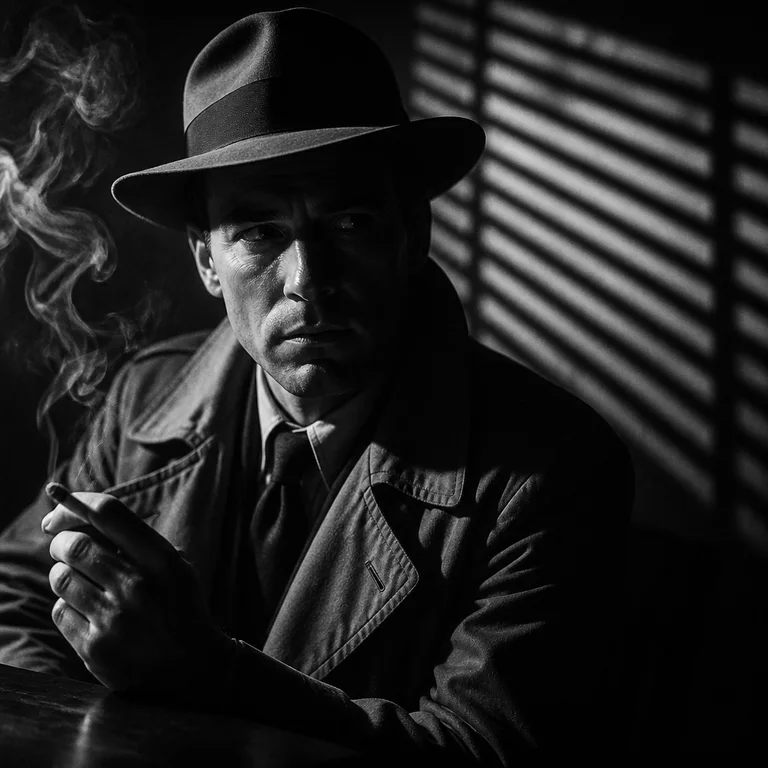
Film Noir
Film noir is not just "black and white." It is a specific photographic grammar built in 1940s Hollywood out of three constraints — German…
Open style
35mm Film Photography
35mm film photography is the look of the dominant consumer and editorial photographic format of the second half of the twentieth century.…
Open style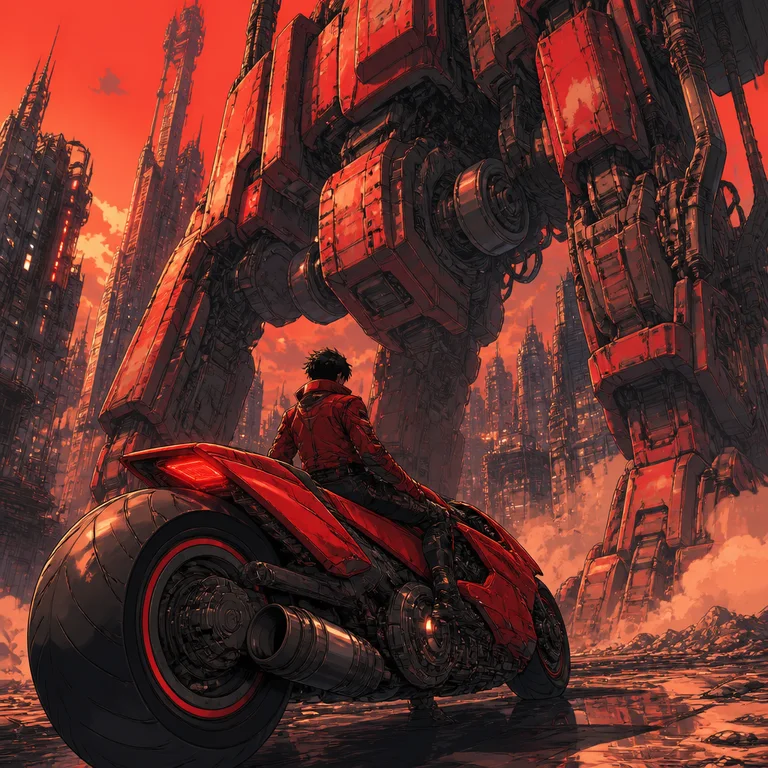
Retro Cyberpunk Anime Mecha
This aesthetic established a specific late-1980s Japanese cyberpunk-anime look that almost every subsequent grounded-future anime borrows…
Open style