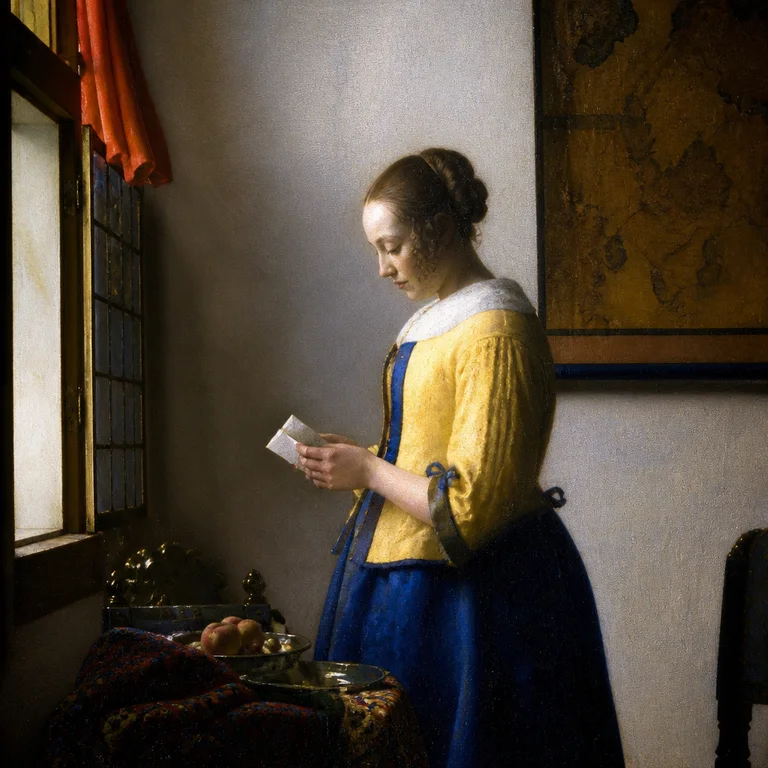
Description
The Dutch Golden Age (roughly 1620–1680) produced an unusually coherent body of small, intimate, light-driven paintings. Within that movement, window-light interiors are the most imitated look — indoor scenes lit by a single north-facing window on the left side of the frame. The visual rules are: soft, diffuse light from one direction; a tightly limited palette of ultramarine blue, lead-tin yellow, vermilion, and warm earth tones; bourgeois domestic interiors with carefully placed objects (maps, letters, musical instruments, pearl jewelry); a slightly elevated, calm point of view; and an obsessive rendering of surface — pearl, satin, marble, brass, glass. The figures are usually women, alone or in pairs, occupied with a quiet activity. Use it for elegant portraits, period interiors, still lifes with a domestic feel, historical scenes, and any image that should read as a contemplative interior. Limitations: not for outdoors, not for action, not for anything modern. Models often confuse it with the era's other dramatic chiaroscuro painting. Ask for "single soft window light from left, blue and yellow palette, 17th century Dutch interior."
Working prompts
Three prompts we've tested against current FairStack models. Copy and run.
-
young woman reading a letter by a window, single soft daylight from left, ultramarine blue dress, lead-tin yellow jacket, 17th century Dutch interior, oil paint texture, contemplative
-
still life on wooden table with brass jug, pewter plate, half-peeled lemon, dark green velvet cloth, soft window light from upper left, Dutch Golden Age oil painting
-
young woman wearing a pearl earring against dark background, single light source from left, blue and yellow turban, hyper-detailed skin and fabric rendering, 17th century
Recommended models
Models from FairStack's catalog that handle this style best. Sorted by price.
Related styles
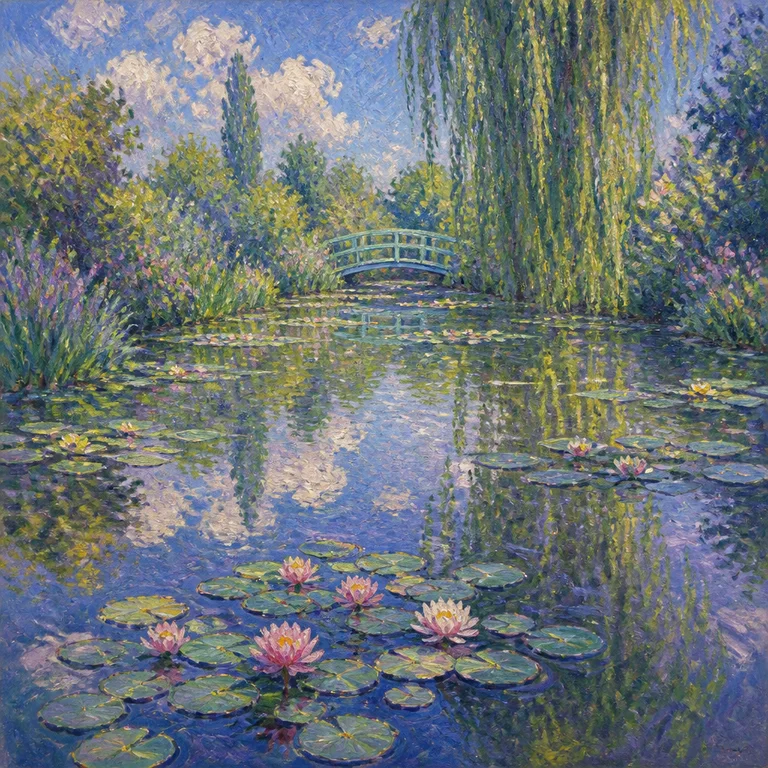
Impressionism
Impressionism (1872–1886, peak years) was the first movement to take painting outside the studio and treat the act of seeing — not the ac…
Open style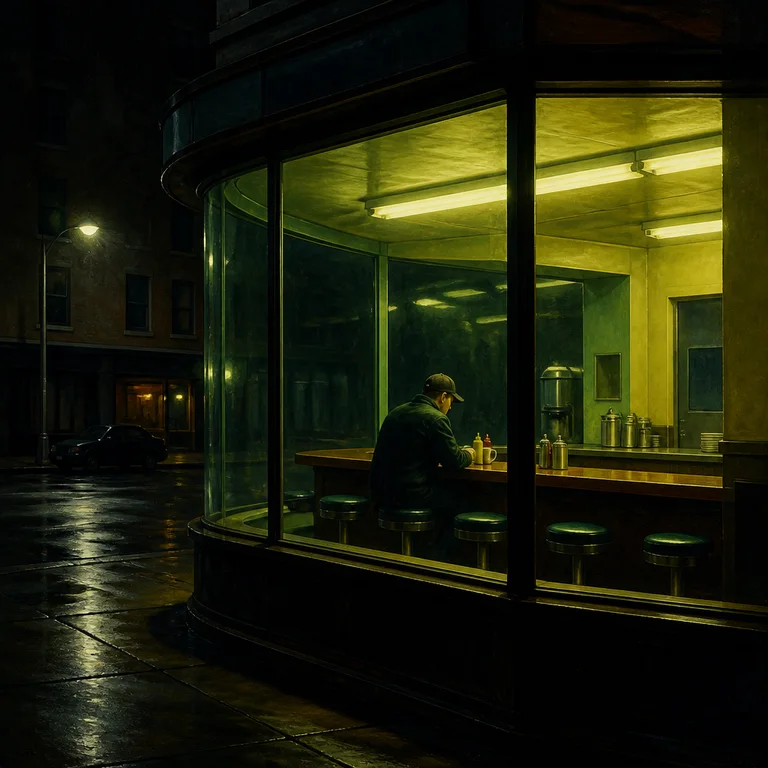
American Realism
American Realism's mid-twentieth-century painters built a vocabulary for painted loneliness. The components are specific: large flat plan…
Open style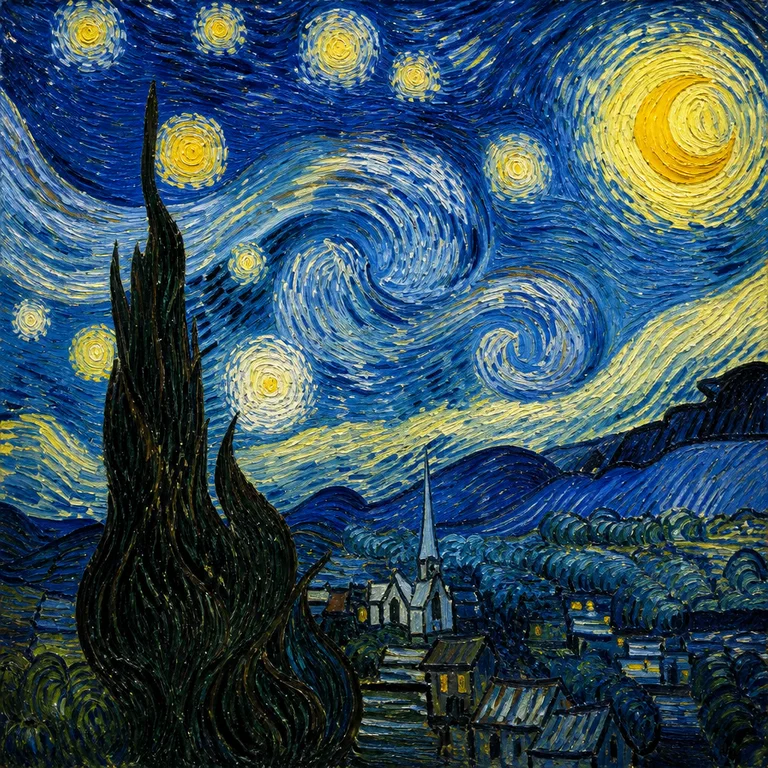
Post-Impressionism
Post-Impressionism was the loose collection of painters (1886–1905) who accepted the Impressionists' premise — broken color, painted in t…
Open style