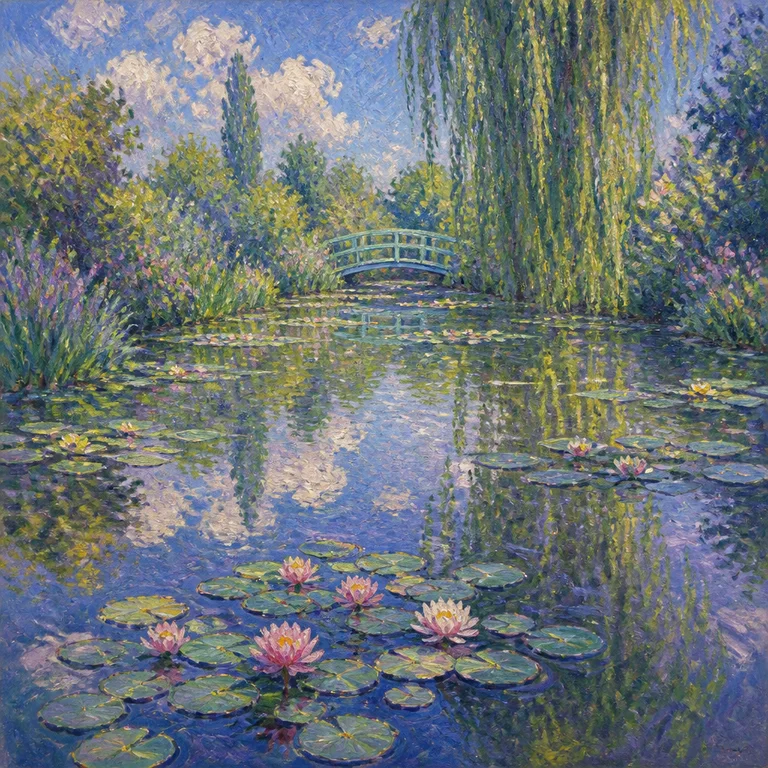
Description
Impressionism (1872–1886, peak years) was the first movement to take painting outside the studio and treat the act of seeing — not the act of describing — as the subject. Its most reproduced examples come from artists whose commitment to the program was the most absolute — painting the same haystack, the same cathedral, the same water-lily pond dozens of times to record how light changed with weather and hour. Visually the style means: visible separate brushstrokes (no blending wet-into-wet for finish), broken color (placing complementary colors next to each other so the eye mixes them at distance), high-key palette (no black; shadows are colored — usually violet, blue, or green), outdoor subjects, and an interest in atmospheric effects — fog, rain, snow, reflection on water. Use it for landscapes, gardens, water scenes, urban exteriors at specific times of day, soft portrait backgrounds, and any image that should feel like a recorded moment of light. Limitations: not for sharp detail, not for night scenes, not for psychological interiors. Models will sometimes give you "soft brushy painting" — specify a haystack or water-lily-pond series and ask for "broken color, no black, visible separate brushstrokes" to anchor the look.
Working prompts
Three prompts we've tested against current FairStack models. Copy and run.
-
water lily pond at noon, surface reflecting clouds and willow leaves, broken color with violet and green shadows, visible separate brushstrokes, no black, oil on canvas
-
haystack in field at sunrise, warm pink and orange light, long blue shadow, impressionist brushwork, high-key palette, plein air
-
Rouen Cathedral facade at midday, dissolved into impressionist color patches, no sharp architectural detail, lavender and ochre and white, broken brushstroke
Recommended models
Models from FairStack's catalog that handle this style best. Sorted by price.
Related styles
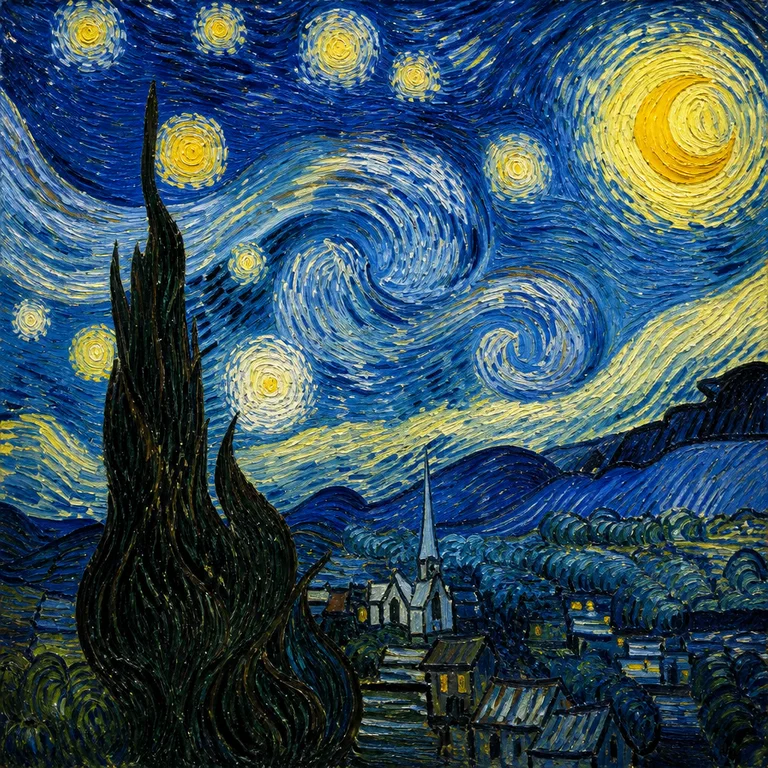
Post-Impressionism
Post-Impressionism was the loose collection of painters (1886–1905) who accepted the Impressionists' premise — broken color, painted in t…
Open style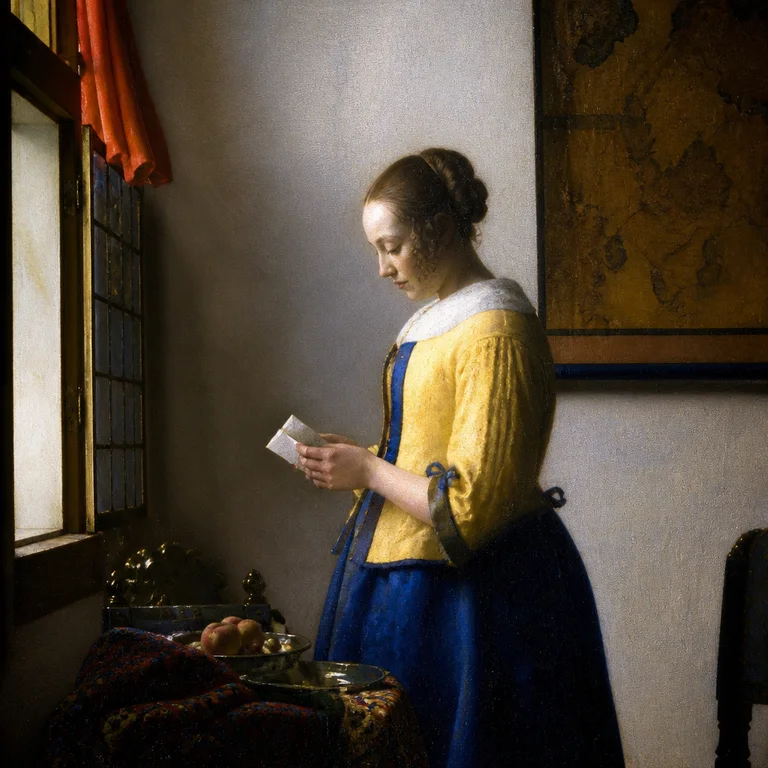
Dutch Golden Age
The Dutch Golden Age (roughly 1620–1680) produced an unusually coherent body of small, intimate, light-driven paintings. Within that move…
Open style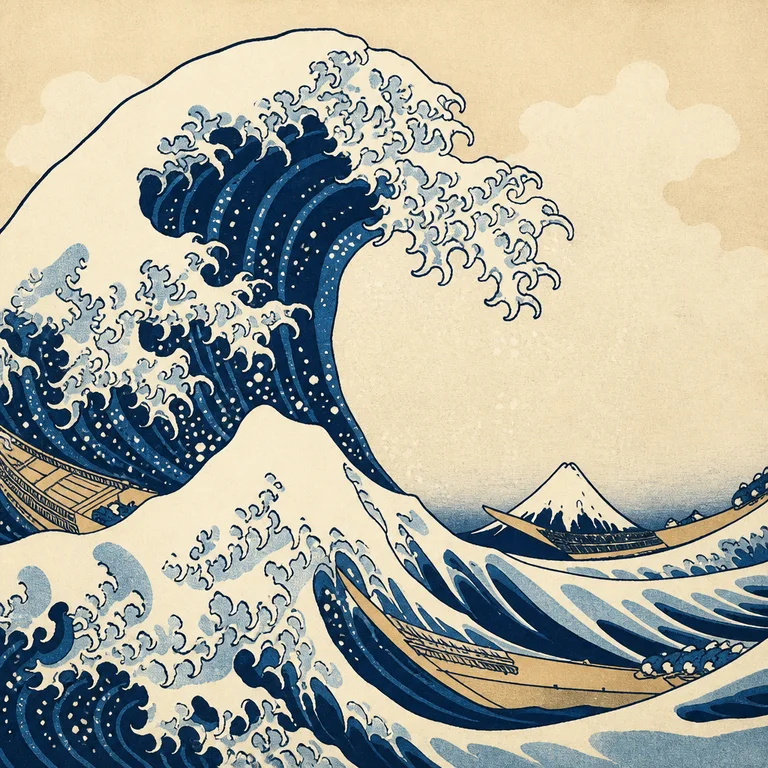
Ukiyo-e Woodblock
Ukiyo-e — "pictures of the floating world" — is the dominant Japanese print tradition from roughly 1660 to 1900. The images were carved i…
Open style